
POPULAR SEARCHES
Singapore’s annual stamp programme is typically planned about one year in advance. This ensures sufficient time for proposals to be submitted, reviewed and carefully curated before final approval.
To qualify as a stamp theme, there are several key criteria for consideration. Among them are:

When reviewing proposals, the Stamp Advisory Committee (SAC) applies a range of guiding principles, including:

Stamp ideas are typically initiated by government ministries and agencies, often to mark significant anniversaries, milestones, national achievements, or to highlight heritage, culture and sports.
The Stamp Advisory Committee (SAC) may also propose themes that are considered meaningful and appealing to the broader public.
After review and recommendation, the final decision on Singapore’s annual stamp programme is made jointly by the Stamp Advisory Committee (SAC) and the Infocomm Media Development Authority (IMDA).
Through this structured and thoughtful process, Singapore’s stamp collections remain relevant and reflective of the nation’s story.

Every hobby has its own special language. In philately, these words help collectors describe, study, and appreciate the tiny works of art we call stamps. Whether you are placing your very first stamp into an album or have spent decades building a collection, understanding these terms adds richness to the journey.
In Singapore, where each year’s stamp programme is carefully curated, these terms help us see not just paper and ink – but intention, heritage, and innovation.
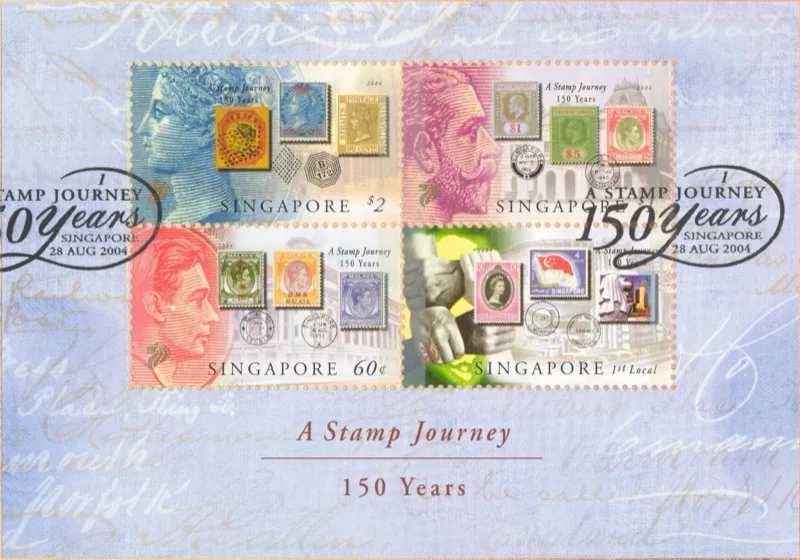
Philately is the study and collection of postage stamps and postal history. It is about discovering the stories behind each issue – why it was created, how it was printed, and what it represents.
In Singapore, philately reflects the nation’s journey from its early Straits Settlements days to independence and beyond. Each stamp becomes a chapter in the Singapore story.
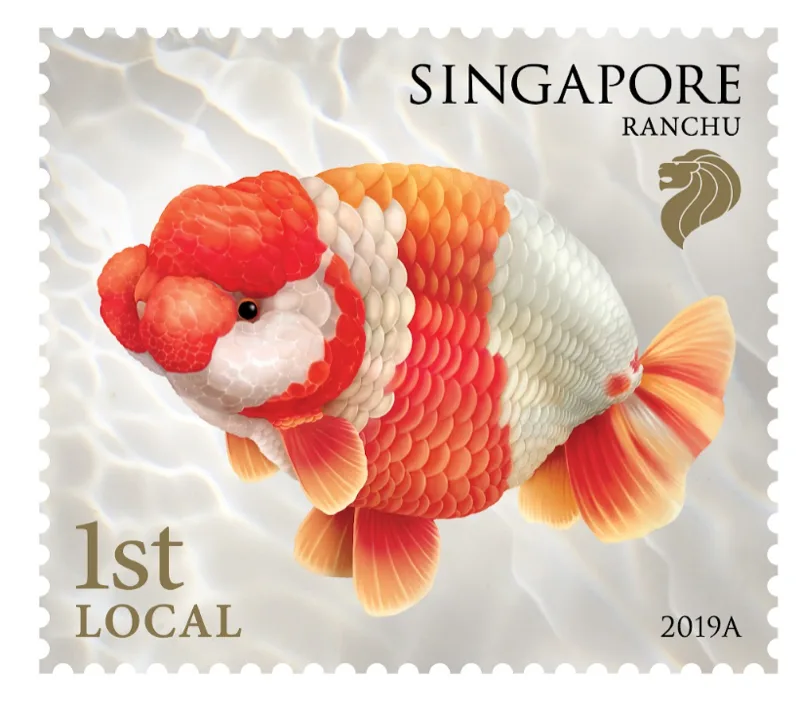
Definitive stamps are issued for everyday postal use and usually remain in circulation for several years. They often feature national symbols, local flora and fauna, or important landmarks.
Singapore’s definitive series have featured flowers, animals and transportation. Quietly and consistently, these stamps travel on daily mail, representing Singapore at home and around the world.
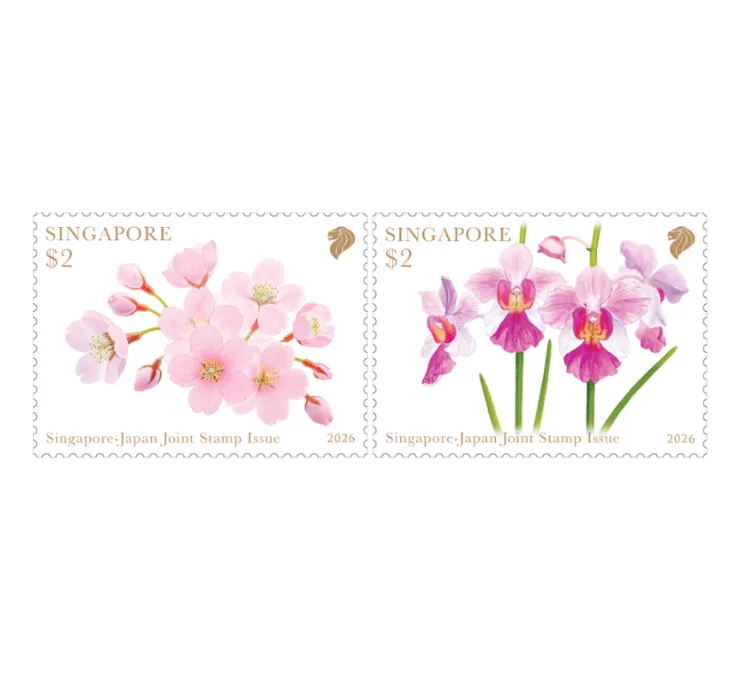
Commemorative stamps mark special occasions, anniversaries, and milestones. They are typically issued in limited quantities and for a shorter period.
In Singapore, commemorative issues have celebrated National Day anniversaries, multicultural festivals, sporting achievements, and international partnerships. Each issue captures a meaningful moment – preserving it in miniature for future generations.

The day a new stamp is officially released is an important milestone. A First Day Cover is an envelope bearing that stamp, cancelled with a special postmark dated on its first day of issue.
Singapore’s First Day Covers often feature thoughtfully designed cachets that complement the stamp theme, making them treasured keepsakes for collectors who wish to mark the beginning of each new issue.

A miniature sheet is a small sheet containing one or several stamps, often surrounded by decorative artwork linked to the theme.
Singapore frequently issues miniature sheets for major commemorations and special themes. These are admired not only for the stamps themselves, but also for their artistic presentation – combining storytelling with design excellence.
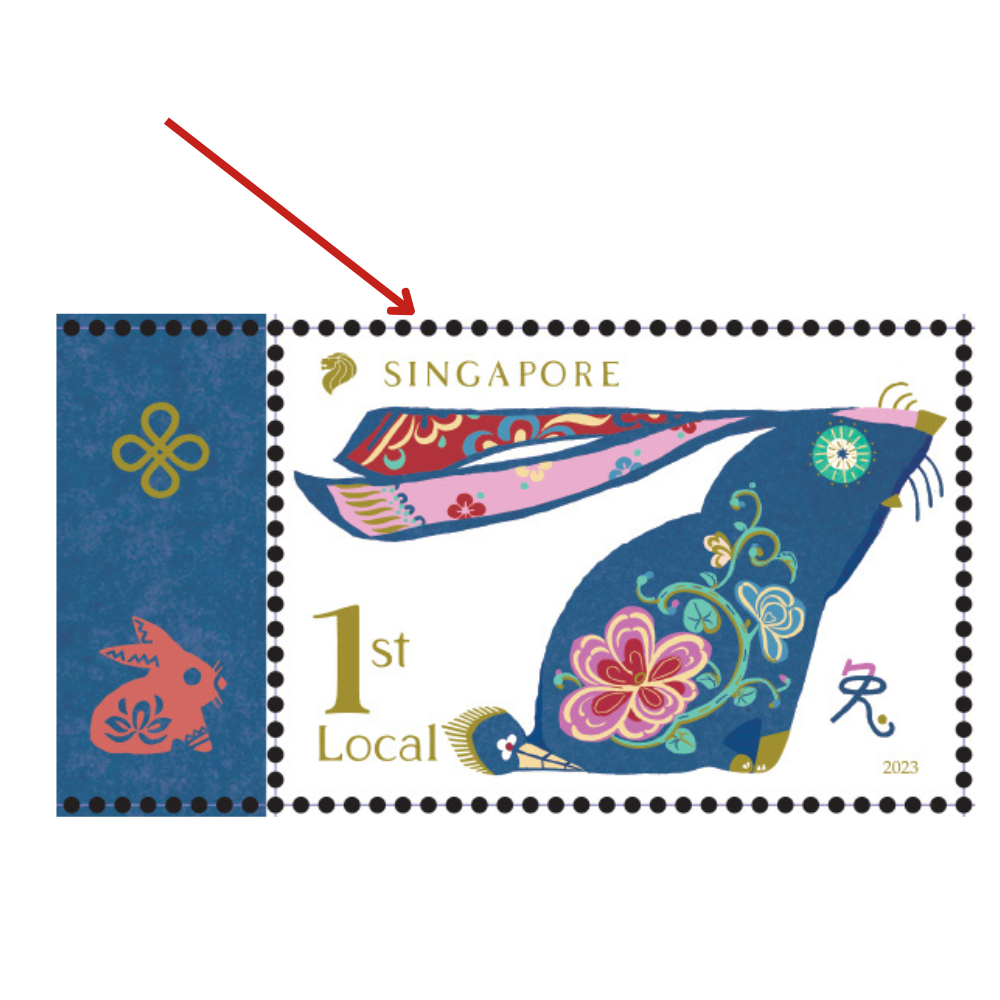
The tiny holes along the edges of a stamp are called perforations. They allow stamps to be separated easily from a sheet.
While they may seem like a small detail, perforations matter to collectors. Variations in perforation size or format can distinguish different printings of the same Singapore issue, adding another layer of study and appreciation.
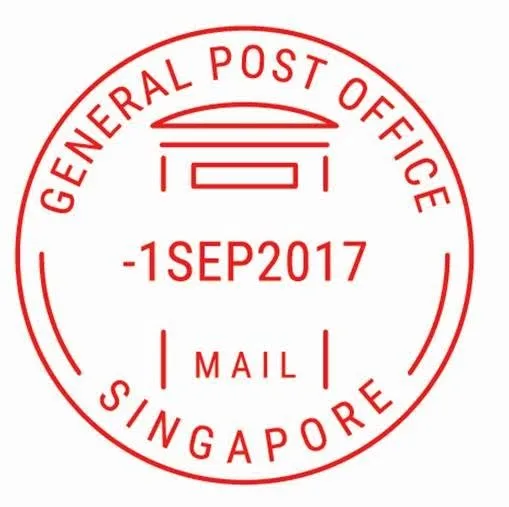
Once a stamp is used, it is marked with ink to prevent reuse. This marking is called a cancellation or postmark.
Beyond its practical purpose, a cancellation records the date and place of posting. A letter sent from Singapore decades ago carries not only its stamp, but also the imprint of time and place – a small but powerful historical record.
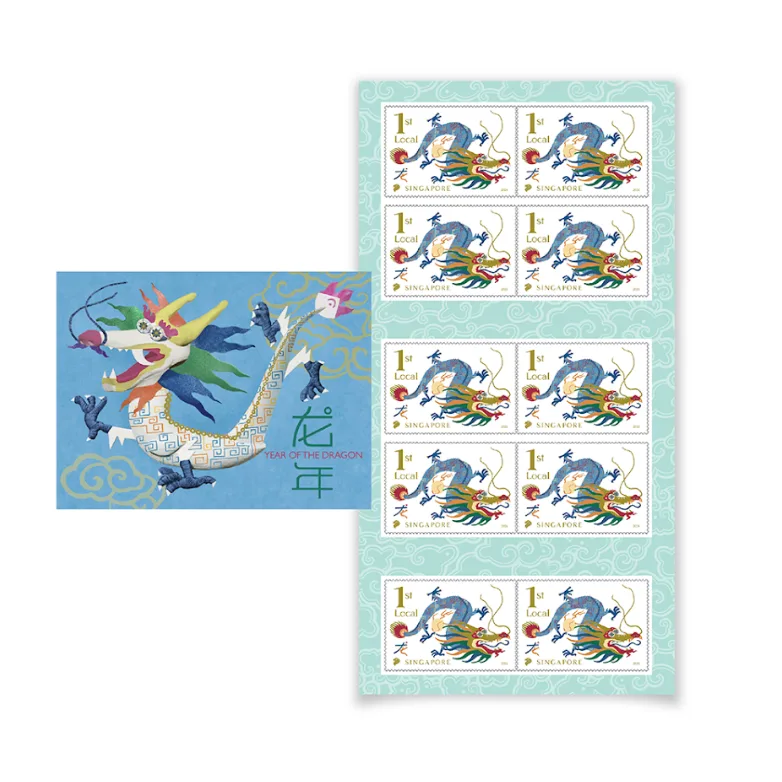
The self-adhesive stamp booklet is designed for practical use, containing a collection of self-adhesive stamps that can be easily peeled and applied to letters and parcels. This convenience makes them an excellent option for everyday mailing needs.
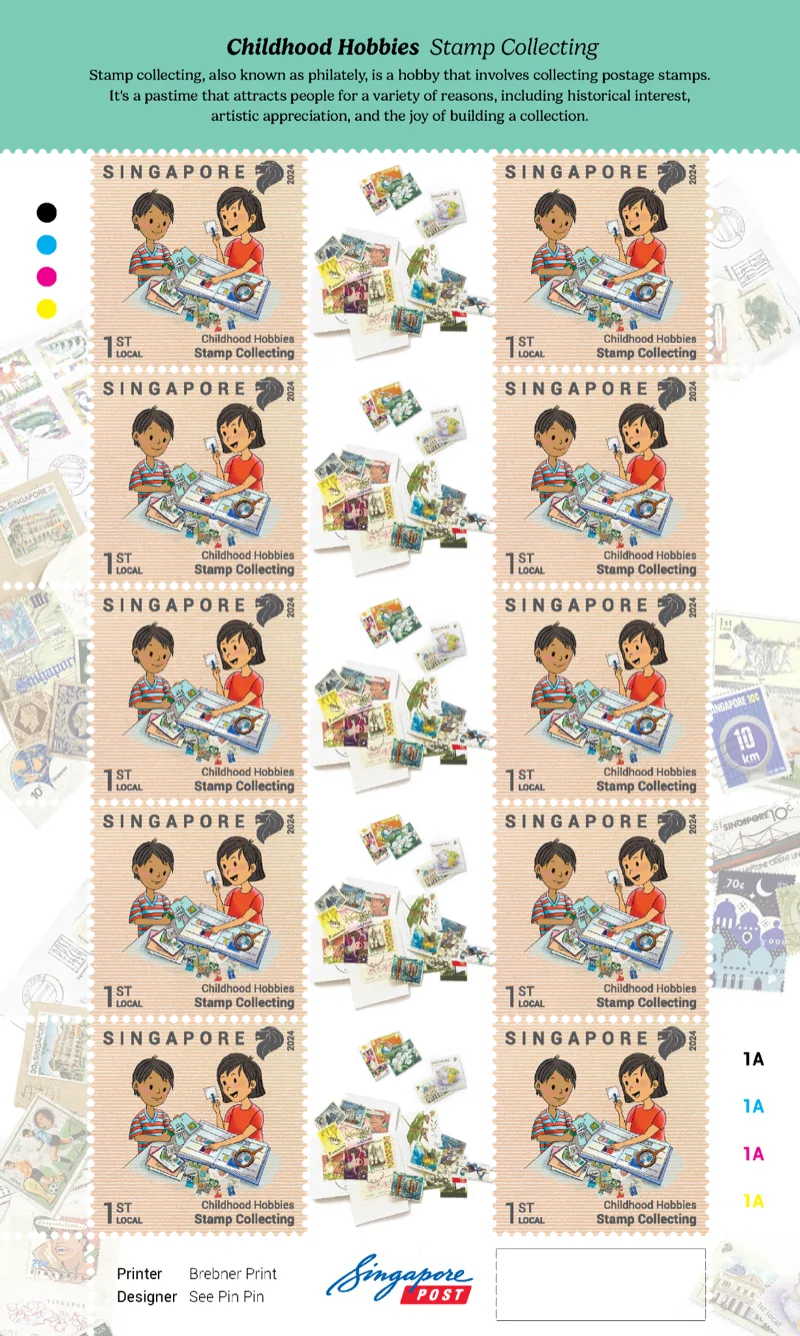
Mint stamps are stamps that remain in their original, unused condition. They have intact adhesive gum and no cancellation marks, making them particularly appealing to collectors. The pristine state of mint stamps is highly valued among philatelists.
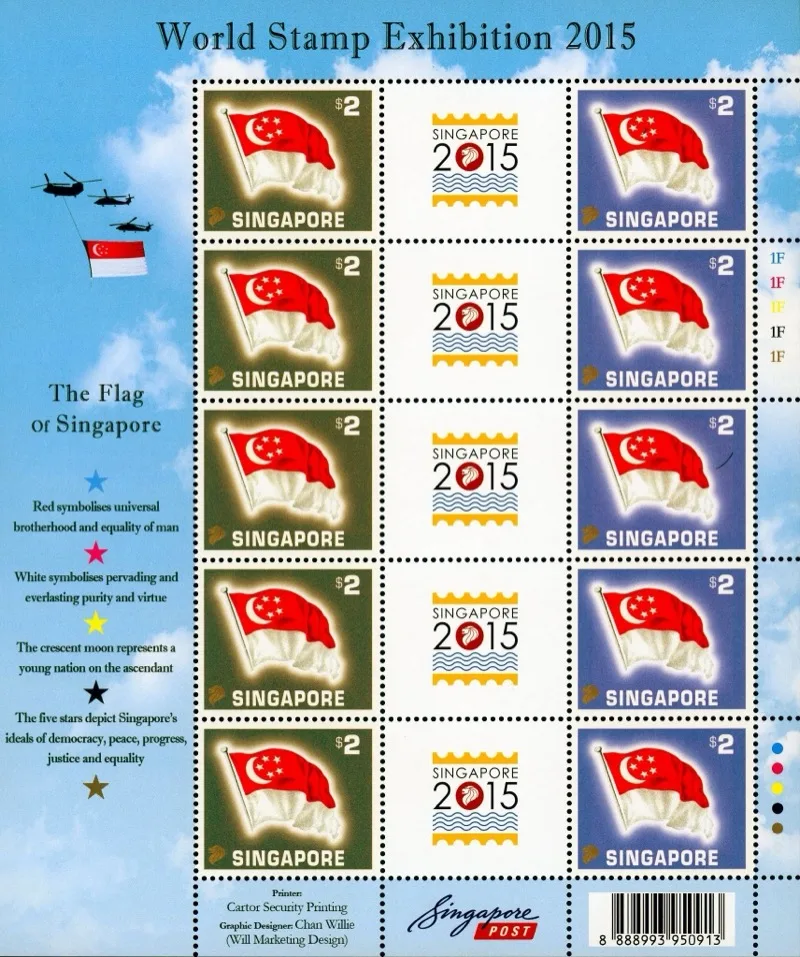
Gutter stamps consist of two stamps connected by a blank strip of paper known as the gutter. These stamps are collected for their unique format and layout, offering a variation that can enhance any collection.
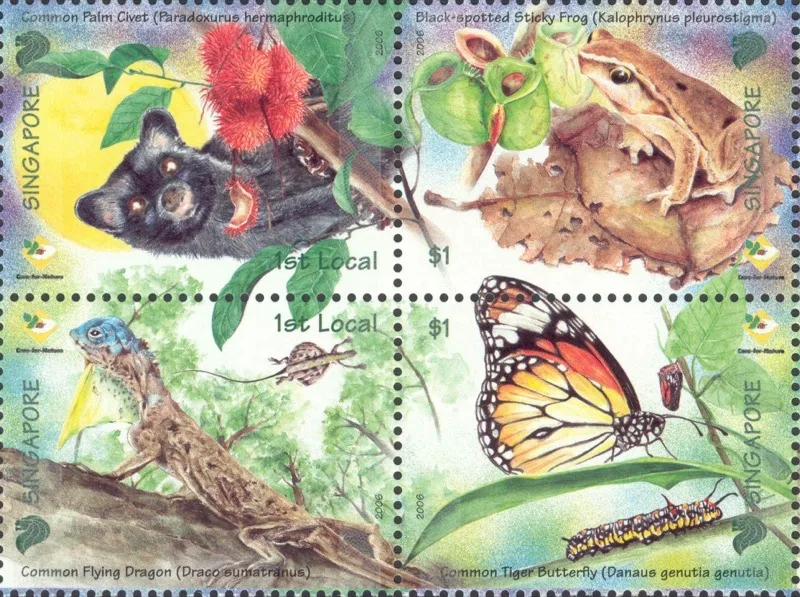
Se-tenant stamps are adjoining stamps that differ in design, colour, or face value but are printed together as a set. When placed side by side, they can create a larger image or tell a connected story, which adds an interesting layer to philatelic collections.
A great example of se-tenant stamps is the Fun with Nature stamps released on 31 Oct 2006 . This collection featured animals found in Singapore’s rainforest.
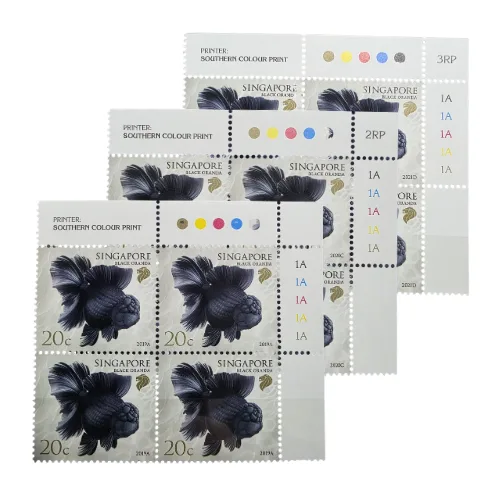
This refers to a subsequent printing of a stamp following its original issue. These reprints are typically made for definitive stamps to meet ongoing postal needs.
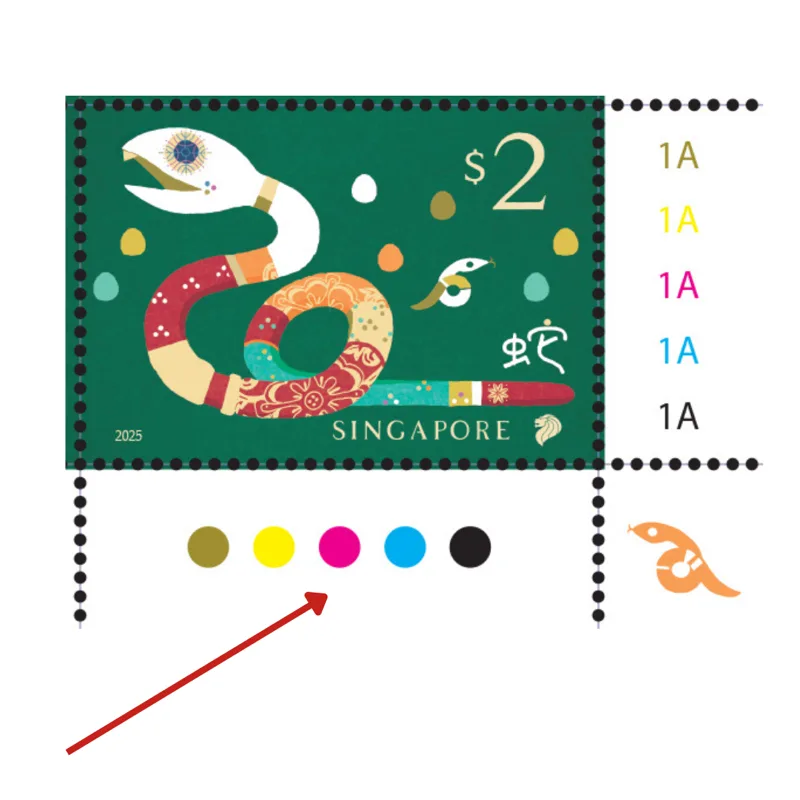
Ever seen small patches of colour on the margins, or selvage, of a stamp sheet? These are colour dabs, indicating the inks used during the printing process, providing valuable information for collectors studying production techniques and details.
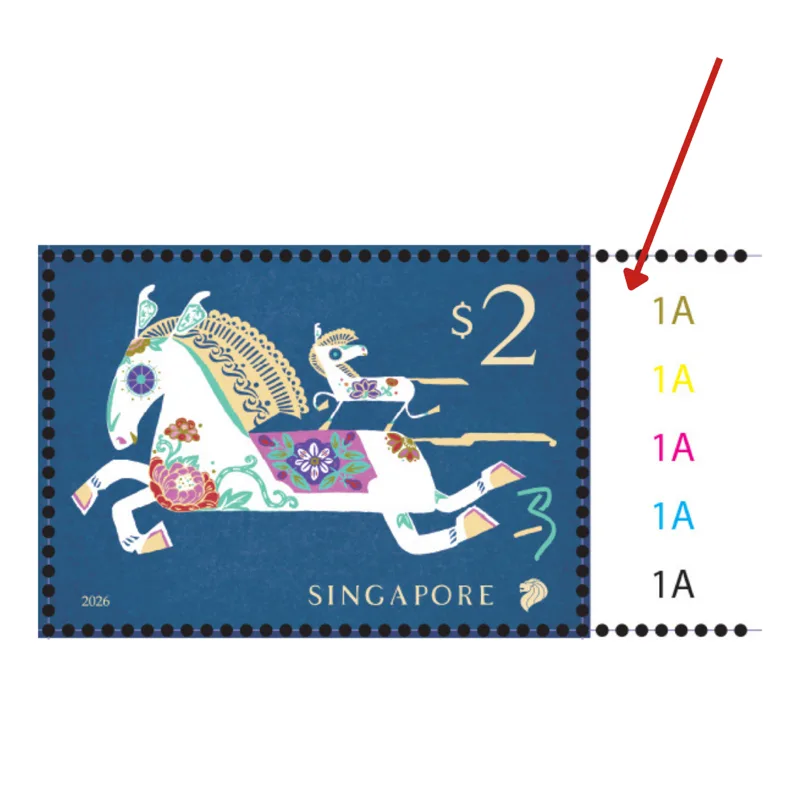
Plate numbers are printed on the margins of a stamp sheet and serve to identify the printing plate and pane that produced the stamps. For collectors, these markings can assist in tracing the history and production specifics of individual stamps.
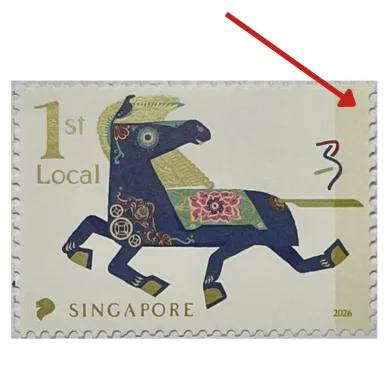
Phosphor refers to a special phosphorescent coating applied to stamps or stamp paper to enhance automated mail sorting and to serve as a security measure. This coating glows briefly when exposed to ultraviolet light, allowing for efficient detection and processing of mail.

An alternative to traditional stamps, postage labels are printed labels with a customised postage value. These labels can be dispensed by customers from self-service kiosks upon selecting their required postage value. In Singapore, these postage labels are available at machines like POPDrop kiosks islandwide.
Join SGStamp Rewards, SingPost’s complimentary membership programme created especially for stamp collectors and philately enthusiasts. Earn points on your purchases, enjoy exclusive benefits, and be among the first to receive news and updates on new Singapore stamp issues.

Lorem ipsum dolor sit amet, consectetur adipiscing elit, sed do eiusmod tempor incididunt ut labore et dolore magna aliqua. Ut enim ad minim veniam, quis nostrud exercitation ullamco laboris nisi ut aliquip ex ea commodo consequat

Subscribe to our newsletter for the latest stamp releases, behind-the-scenes features, and exclusive stories from the vibrant world of philately.
Quick links
About us


© 2026 Singapore Post Limited. All Rights Reserved.