
POPULAR SEARCHES

Before 1 May 1840, sending letters – whether domestically or internationally – was complicated and expensive. The system was slow, costs were high, and recipients had to pay for letters based on distance and the number of pages. Naturally, some people refused letters to avoid paying the fee.
A change was needed to make communication more accessible to ordinary people.
In 1840, Great Britain issued the world’s first adhesive postage stamp, the Penny Black. For the first time, postage was prepaid using a small printed label affixed to an envelope. Bearing the profile of Queen Victoria, the Penny Black transformed global communication. Letters became simpler and more efficient to send, and stamps soon became miniature works of art travelling across borders.
And people began saving them.
Within a year, advertisements appeared from individuals requesting used stamps. What began as curiosity grew into a passion.
In 1864, French collector Georges Herpin coined the word “philately,” combining Greek roots meaning “love of” and “freedom from tax.” The term captured both the technical innovation of prepaid mail and the affection collectors felt for these tiny artefacts.
Thus, philately, the study and collection of postage stamps and postal history, took shape from a simple yet revolutionary idea.
By the late 19th century, stamp catalogues were being published. Collectors studied watermarks, perforations, printing methods, and cancellations. Philatelic societies formed, and exhibitions brought enthusiasts together.
Stamps had become more than proof of payment. They were storytellers of places, people, and histories. They documented monarchies and revolutions, wildlife and architecture, scientific breakthroughs and sporting triumphs. A definitive series reflected everyday life; a commemorative issue captured moments of national pride. Across continents, stamps became cultural ambassadors no larger than a few centimetres wide.
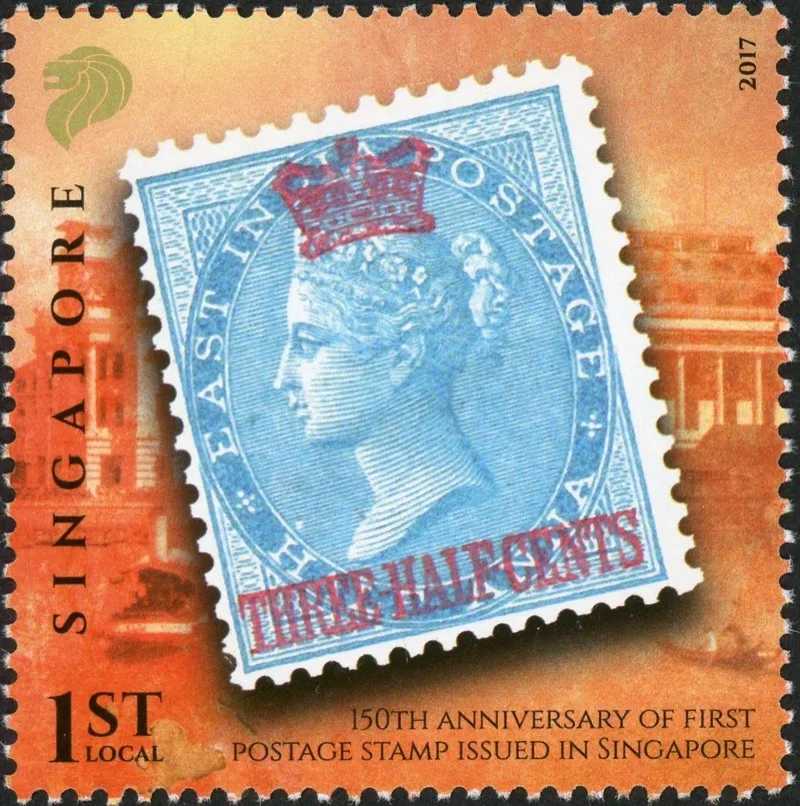
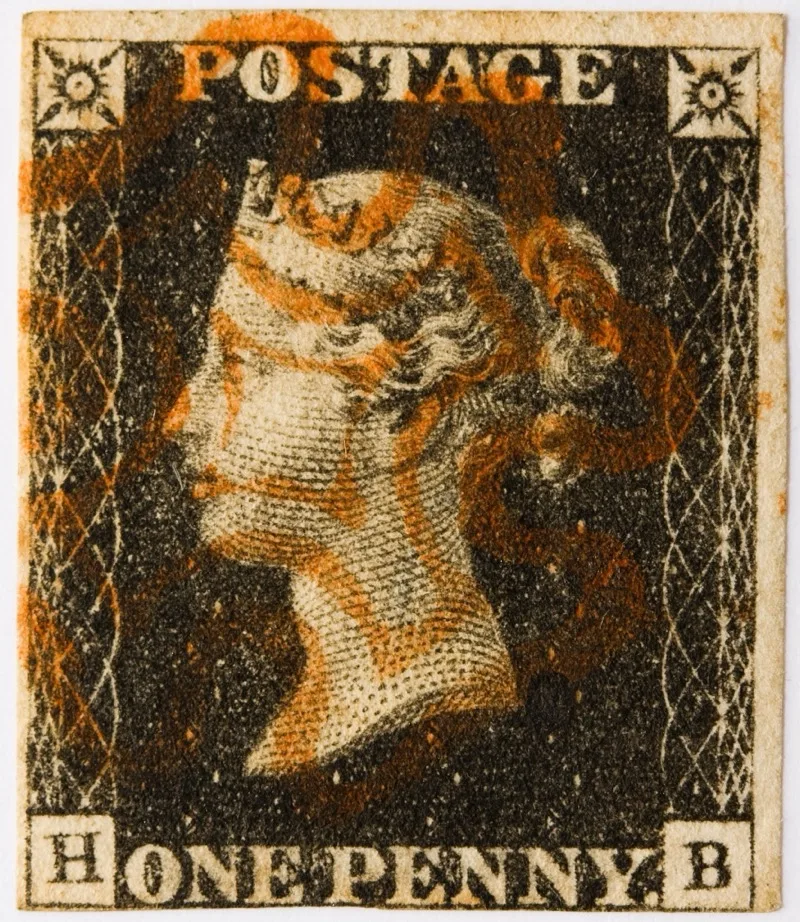
Fourteen years after the Penny Black was introduced, postage stamps were first issued for use in Singapore in 1854, when the Straits Settlements used Indian stamps overprinted for local circulation. Subsequently, when the Straits Settlements became a Crown Colony in 1867, its government formally took over the issuance of stamps.
As a bustling port city and communication hub in Southeast Asia, Singapore was already deeply connected to global trade routes. Stamps formalised its place within the international postal network.
After the Second World War, stamps bearing the name “Singapore” began appearing in 1948 – a meaningful step toward local identity. When Singapore gained independence in 1965, philately became a canvas for nation-building.
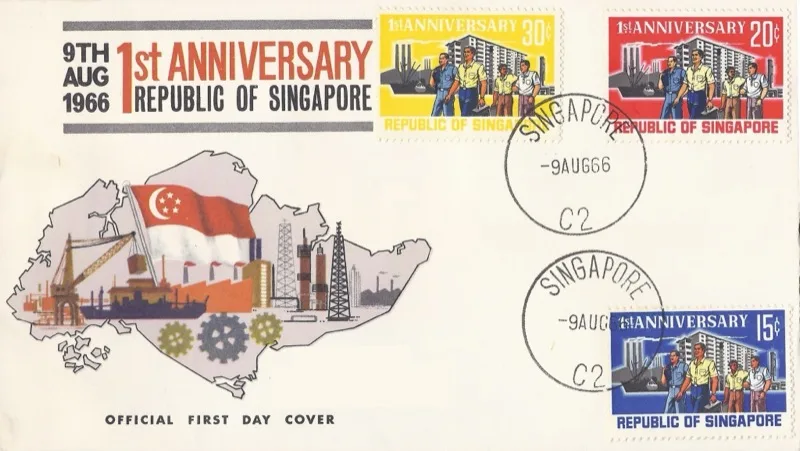
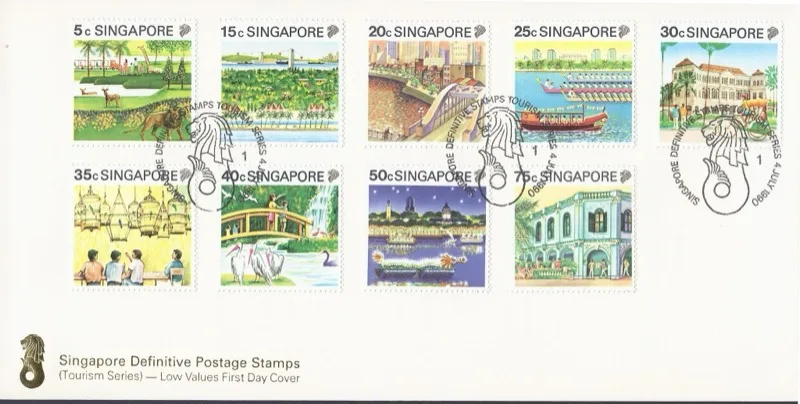
Commemorative issues marked milestones such as the nation’s first anniversary. Definitive series celebrated orchids, public housing, multicultural festivals, and national symbols. Through miniature sheets and first day covers, Singapore told its story – one issue at a time.
Singapore’s place in philately is both participant and innovator. It joined a global movement that began in 1840 and, in turn, contributed its own distinctive chapters – shaped by resilience, multicultural heritage, and a spirit of progress.
Innovation has also defined Singapore’s contribution to global philately, with notable milestones.
From the simple act of sending letters, Singapore has moved forward to leverage philately for more than communication. Today, stamps offer deep insights into the ever-evolving Singapore story – reflecting our past, our aspirations, and our multifaceted relationships within society and with the world.
In every album page and carefully mounted first day cover, one truth remains: stamps may be small, but the stories they carry are vast.
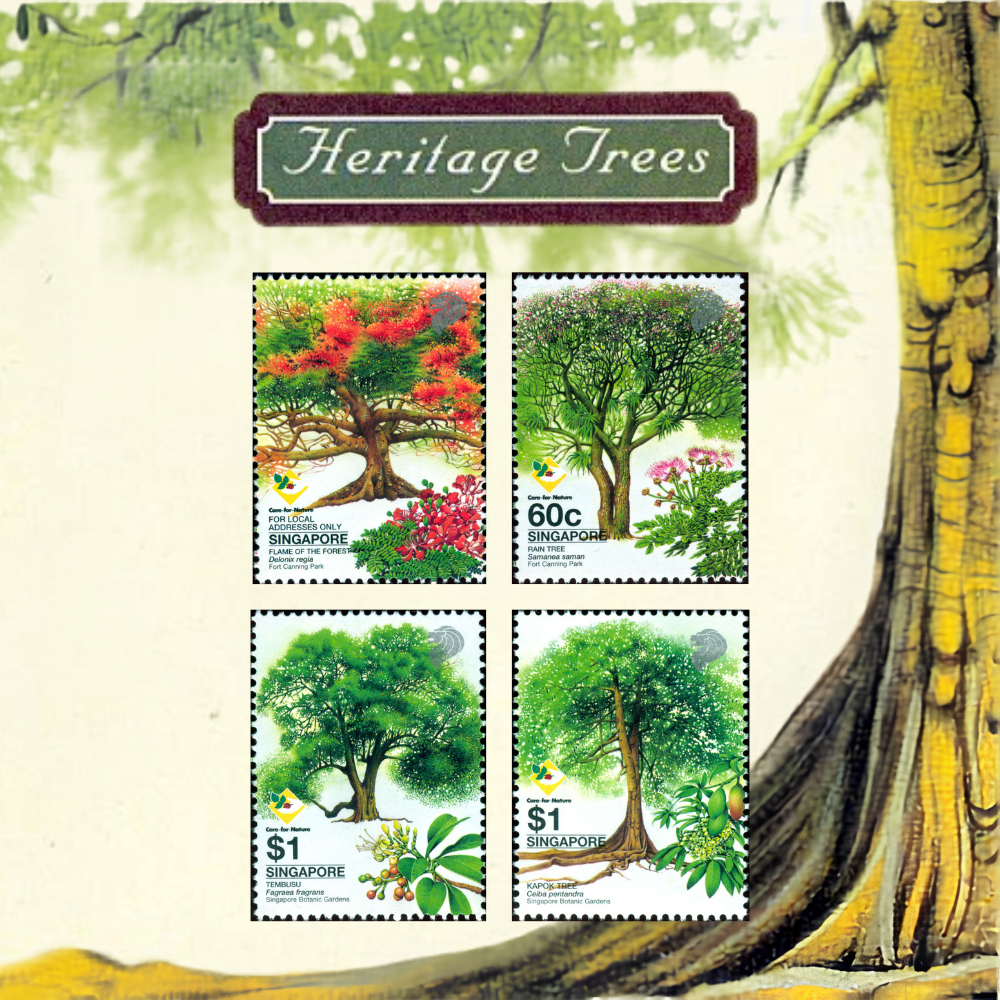
2002
Heritage Trees, Asia's Most Beautiful Stamps (2002/2003) and 2nd Most Beautiful Stamp in World by Timbropresse Group

2005
Launch of MyStamp, the world’s first personalised stamp service. Customers could customise stamps with personal images, blending personal expression with postal tradition.
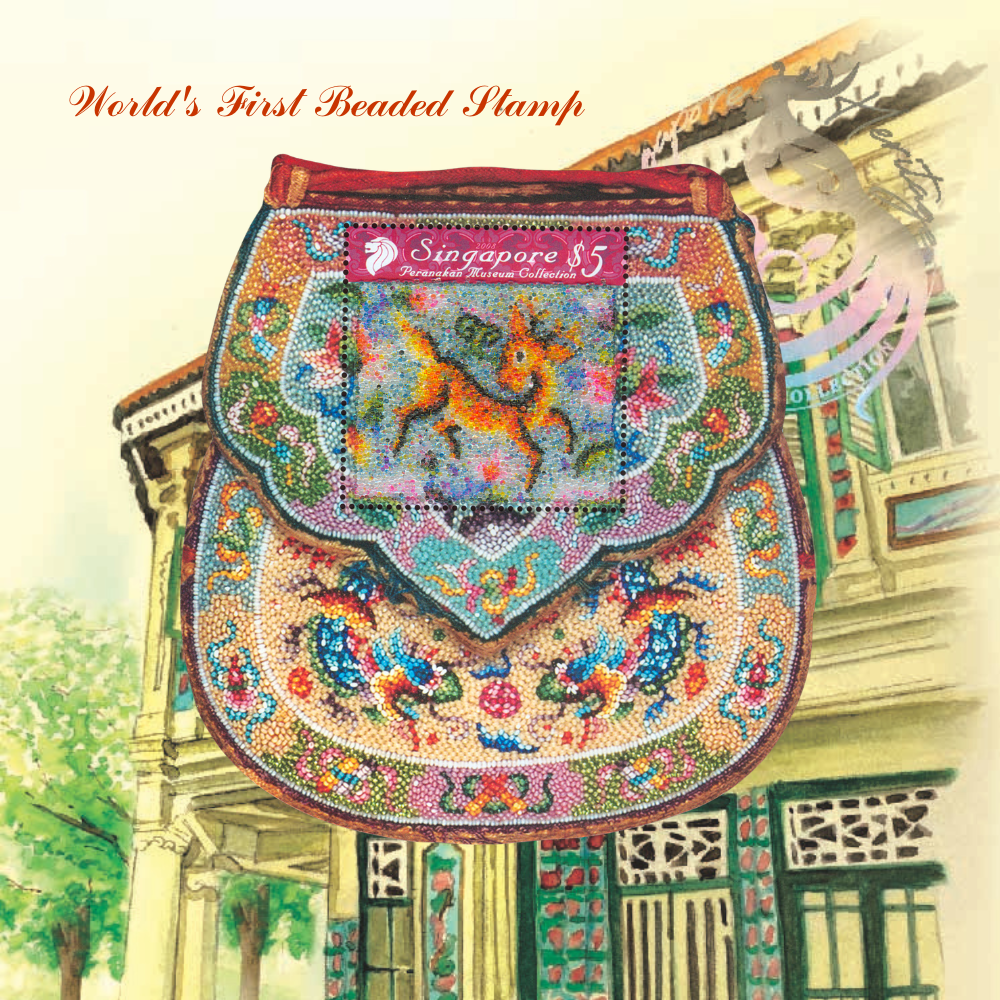
2008
World’s first beaded stamps, issued to mark the opening of the Peranakan Museum. These tactile creations demonstrated how materials and craftsmanship could elevate stamps into miniature art pieces.
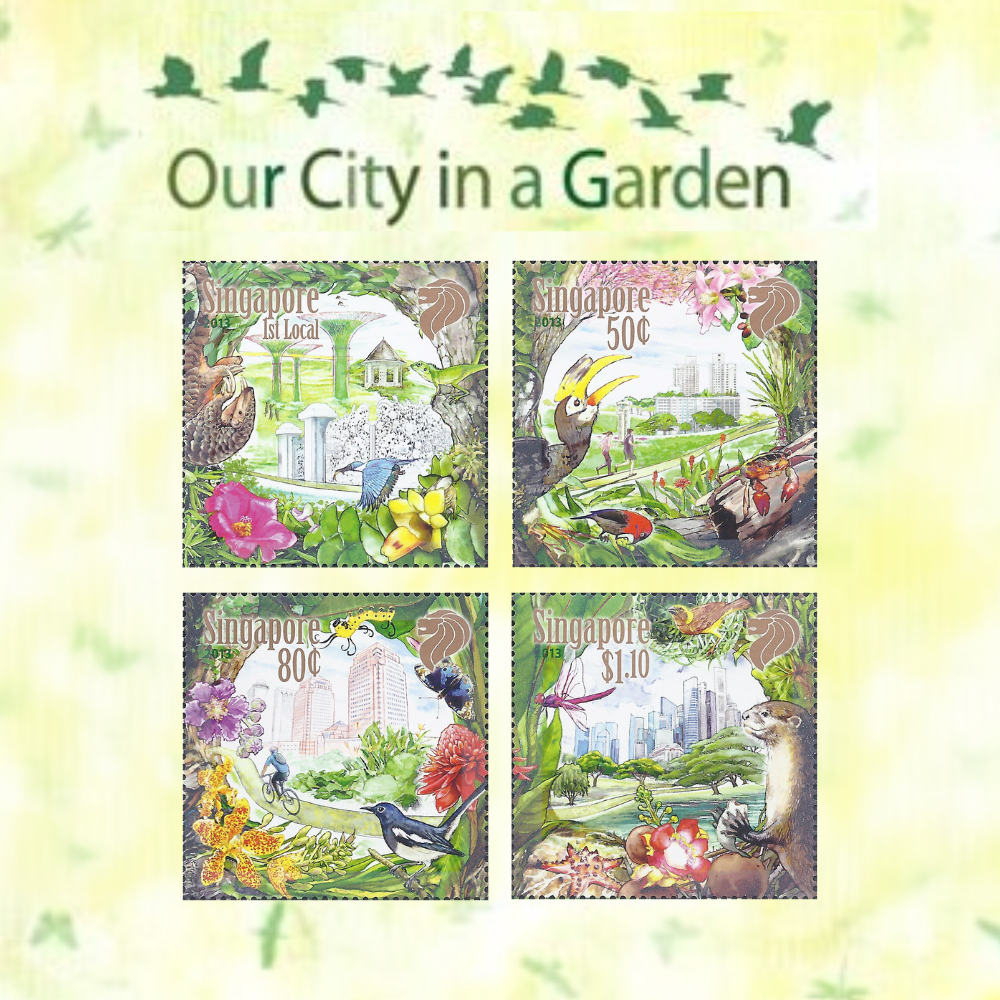
2013
City in a Garden stamps. To mark 50 years of Singapore's greening journey (1963–2013), SingPost issued special "Our City in a Garden" stamps on July 13, 2013 with unique, biodegradable stamps embedded with Portulaca grandiflora (rose moss) seeds.
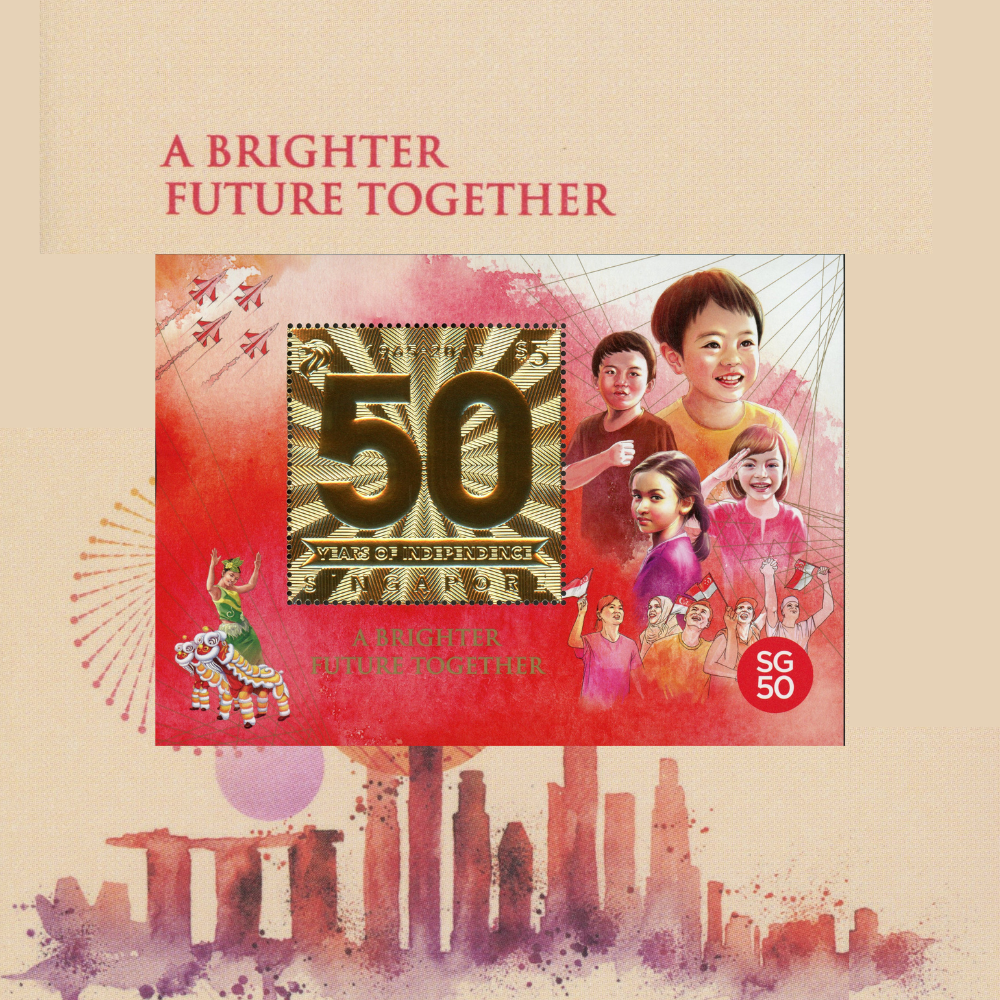
2015
SG50 Miniature Sheet released to mark Singapore's Golden Jubilee features a specialized Guilloché effect applied to the gold-colored aluminium hot stamping.
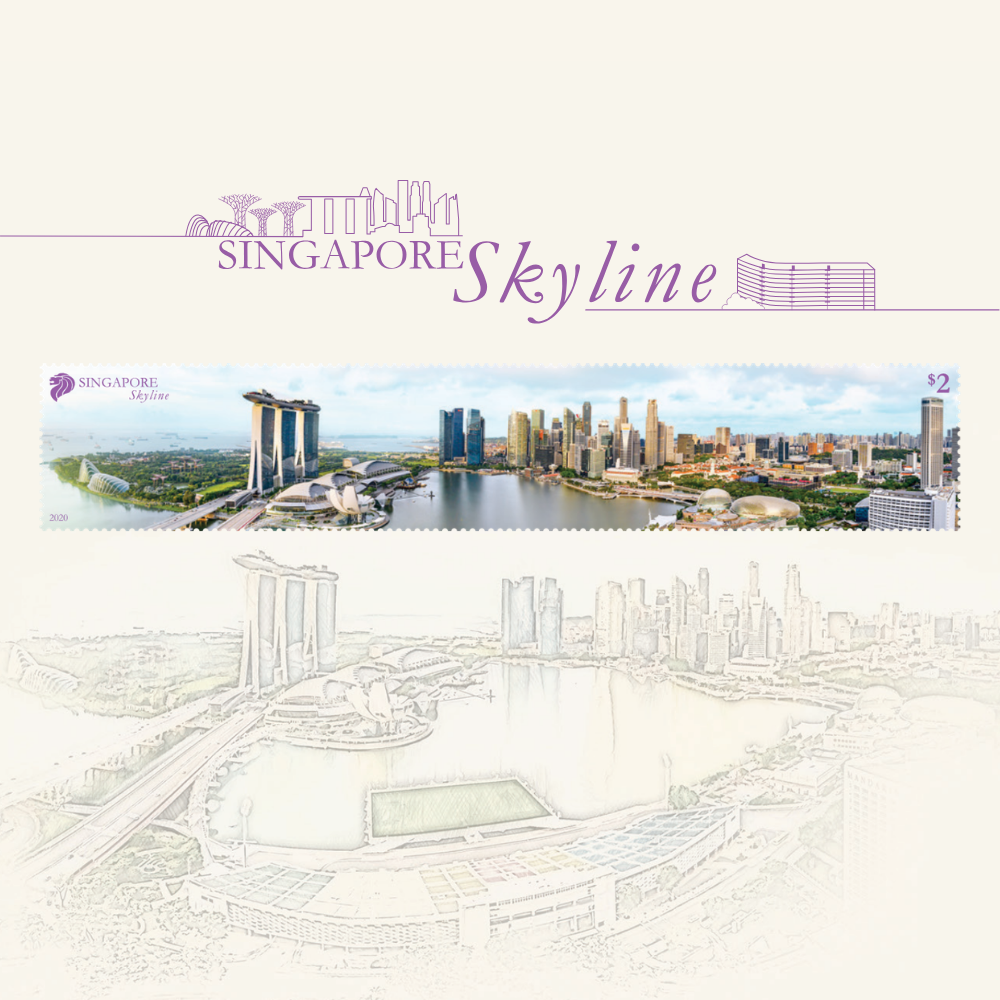
2020
Longest stamp issued. Stretching 163.2 mm, this panoramic design became Singapore’s longest stamp to date.

2021
Tallest stamps issued. Standing at 81.6 mm, these vertical designs featured skyrise greenery, reflecting Singapore’s urban sustainability vision.
From humble beginnings to a network that connects a nation.
Every letter carries a story. But behind every story delivered is a system – one that has quietly evolved across generations.
Singapore’s postal journey is not only about stamps and mail. It is about buildings that anchored communities, uniforms that became familiar sights, vehicles that adapted to growing demand, and technology that transformed how mail moves behind the scenes. Together, they tell a story of transformation — steady, purposeful, and forward-looking.
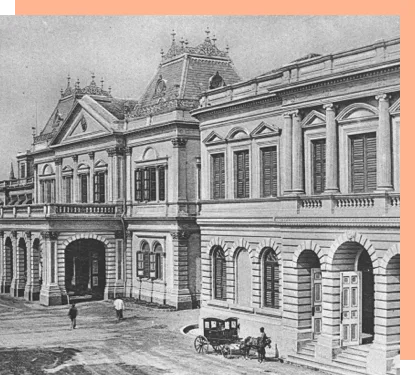
In the 1850s, Singapore’s first post office was situated at Raffles Place by the Singapore River, serving as a modest yet efficient hub at the heart of communication, connecting Singapore to the wider world.
By the 1870s, the new General Post Office at Fort Fullerton symbolised permanence and progress. As commerce and correspondence grew, the postal service evolved from a mere mailroom to a trusted infrastructure that supported people, businesses, and communities, becoming integral to everyday life.
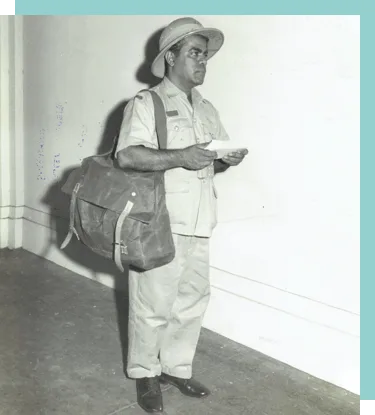
Across decades, one constant remained: the postman. The evolution of uniforms reflected the traditions of the time, transitioning from practical basics to symbols of professionalism and pride. Since the 2000s, postman uniforms have embraced modern, recognisable designs tailored for mobility and visibility.
With every change, these uniforms remind us of SingPost's enduring commitment to be a reliable, approachable, and quietly essential part of the community.
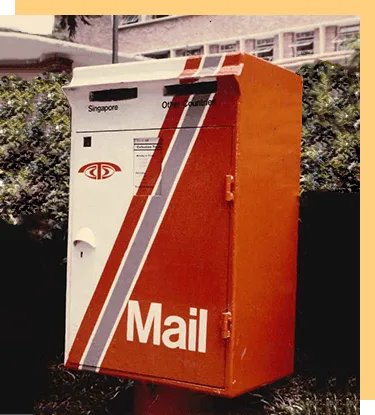
Few objects are as instantly recognisable as the post box. From the cast-iron designs of the 1870s to the modern versions of the 2010s, these boxes have remained a steadfast presence. They collect birthday cards, postcards, handwritten notes, and small parcels, serving as silent witnesses to daily life.
As communication methods have evolved, the post box continues to symbolise connection and reliability. Its enduring presence reassures us that, even in a digital age, traditional forms of communication still hold value.
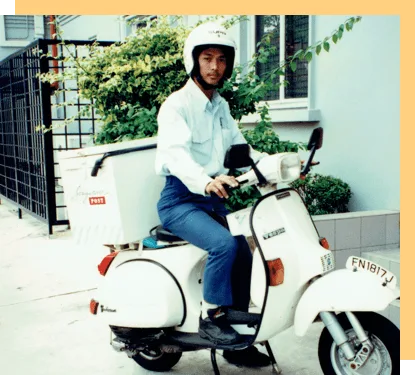
Delivery has always required movement, which has transformed significantly over time. Bicycles and scooters were common in earlier decades, weaving through neighbourhoods to carry letters and parcels. By the 1970s and 1990s, these two-wheeled companions became familiar sights on the streets.
Recently, three-wheeled bikes have become iconic, designed for stability and efficiency in handling larger mail volumes. This evolution reflects Singapore’s own growth, being agile, innovative, and always moving forward.
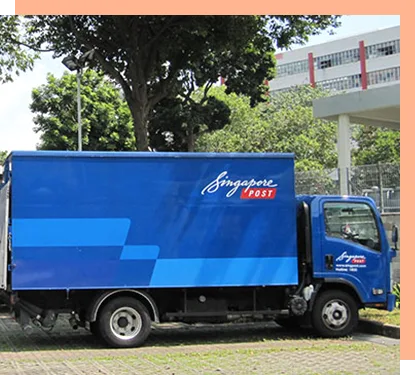
As Singapore modernised, its postal fleet evolved significantly. In the early years, delivery vans were simple and sturdy. Over time, the fleet expanded to accommodate the needs of a rapidly developing nation, adding specialised vehicles ranging from compact vans for housing estates to larger trucks for bulk logistics.
Each generation of vehicles represents a chapter in Singapore's growth. SingPost’s functional, reliable, and increasingly electrified fleet transported not only mail but also the momentum of a nation on the rise.

The most significant transformation occurred in the mail sorting process. In the early years, sorting was entirely manual, with staff deciphering handwritten addresses and organising letters into pigeonholes. This method relied heavily on skilled labour and attention to detail.
In the 1980s, SingPost began incorporating automation to enhance the sorting process, resulting in greater efficiency. Despite the shift towards automated systems, the fundamental goal of ensuring reliable delivery has remained constant throughout the years.

Postal transformation in Singapore is not just about modernisation. It involves responding to changes such as growing populations, new technologies, and shifting communication habits while maintaining the essential promise of trust and connection.
From its humble beginnings to today’s modern sorting hubs, the journey showcases resilience and foresight amid modernisation. As Singapore develops, its postal story is carried forward by generations, ensuring that every letter, every parcel, and every stamp continues its journey.

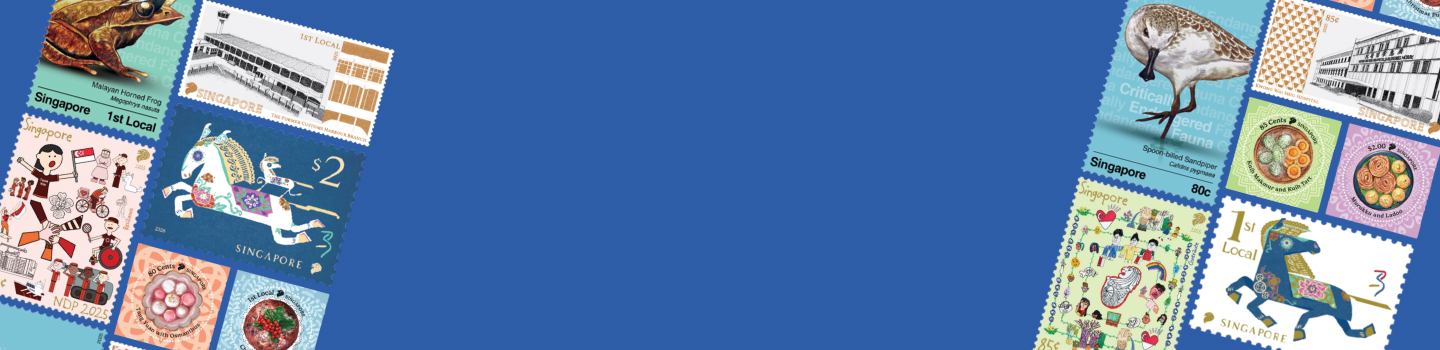
Subscribe to our newsletter for the latest stamp releases, behind-the-scenes features, and exclusive stories from the vibrant world of philately.
Quick links
About us


© 2026 Singapore Post Limited. All Rights Reserved.