Singapore POST

Wet Markets

Issue date 18 Apr 2012

Overview

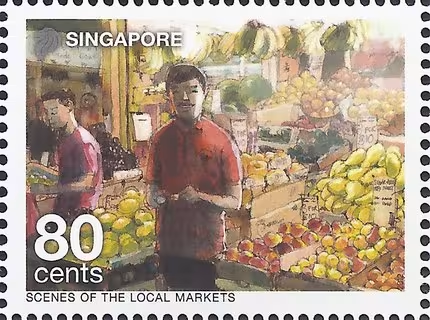
Wet markets are a common sight in Singapore's heartlands and serve the needs of Singaporeans for cheap fresh produce and household items. They not only meet the basic needs of Singaporeans, they also function as important social spaces for communal interaction and contribute to the building of cohesive neighbourhood communities in Singapore's high-density HDB living.

From their humble beginnings as loose clusters of vendors and peddlers, wet markets have evolved into built-purpose structures that have sprung up in housing estates across Singapore. The term "wet markets" is derived from the markets' wet floors, which are caused by the melting of ice used to ensure the freshness of seafood sold and by stallholders who routinely clean their stalls with water.

Wet markets are typically divided into a "wet" section where fresh produce, meat and fish are sold, and a "dry" section where stalls selling goods such as spices, rice, dried noodles, dried seafood and beans are located. Till today, transactions are mostly verbal and bargaining is still widely practiced. The prices of goods sold at wet markets tend to fluctuate based on demand and supply as well as festive periods.

Since the 1990s, over 100 markets cum hawker centres had been built. To date, Singapore has 107 wet markets and hawker centres and they are located in different parts of Singapore, making them accessible to all Singaporeans.

In October 2011, the government announced that it would be building an additional 10 hawker centres with cooked food and wet market sections over the next decade. With hygiene and cleanliness an important focus to upgrade and maintain the wet markets, eventually, wet markets will be drier and the existence of wet markets will be very much a part of history.

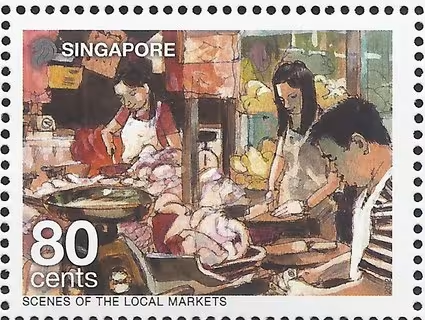
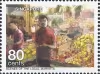
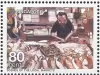
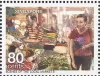
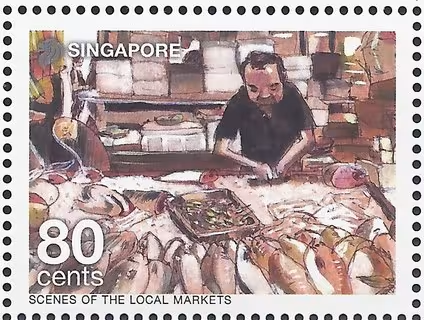
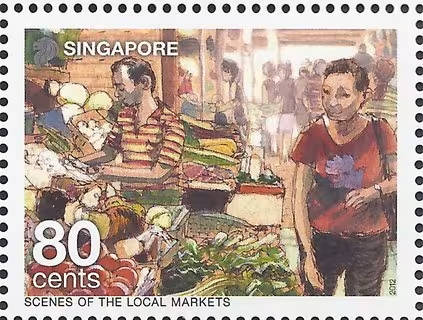
This set of stamps illustrates some common scenes found in wet markets familiar in the hearts of many in Singapore.

Special thanks to Heritage Institutions Division, National Heritage Board (NHB), Singapore for the provision and use of information.

Market reference: Ghim Moh, Kandang Kerbau (Tekka Centre) and Holland Drive.
Wet Markets
Wet Markets
Wet Markets
Wet Markets
Technical specifications
Denomination80¢ x 4 designs
Stamp Size40mm x 30mm
Perforation16.0
Paperunwatermarked
PrintingOffset Lithography
Sheet Content10 stamps per sheet
PrinterJoh Enschede Security Print
Graphic DesignerAndrew Tan (Drewscape)
Singapore POST
Singapore POST
Singapore POST
Singapore POST

Wet Markets

Issue date 18 Apr 2012

Wet markets are a common sight in Singapore's heartlands and serve the needs of Singaporeans for cheap fresh produce and household items. They not only meet the basic needs of Singaporeans, they also function as important social spaces for communal interaction and contribute to the building of cohesive neighbourhood communities in Singapore's high-density HDB living.

From their humble beginnings as loose clusters of vendors and peddlers, wet markets have evolved into built-purpose structures that have sprung up in housing estates across Singapore. The term "wet markets" is derived from the markets' wet floors, which are caused by the melting of ice used to ensure the freshness of seafood sold and by stallholders who routinely clean their stalls with water.

Wet markets are typically divided into a "wet" section where fresh produce, meat and fish are sold, and a "dry" section where stalls selling goods such as spices, rice, dried noodles, dried seafood and beans are located. Till today, transactions are mostly verbal and bargaining is still widely practiced. The prices of goods sold at wet markets tend to fluctuate based on demand and supply as well as festive periods.

Since the 1990s, over 100 markets cum hawker centres had been built. To date, Singapore has 107 wet markets and hawker centres and they are located in different parts of Singapore, making them accessible to all Singaporeans.

In October 2011, the government announced that it would be building an additional 10 hawker centres with cooked food and wet market sections over the next decade. With hygiene and cleanliness an important focus to upgrade and maintain the wet markets, eventually, wet markets will be drier and the existence of wet markets will be very much a part of history.

This set of stamps illustrates some common scenes found in wet markets familiar in the hearts of many in Singapore.

Special thanks to Heritage Institutions Division, National Heritage Board (NHB), Singapore for the provision and use of information.

Market reference: Ghim Moh, Kandang Kerbau (Tekka Centre) and Holland Drive.
Denomination

80¢ x 4 designs

Stamp Size

40mm x 30mm

Perforation

16.0

Paper

unwatermarked

Printing

Offset Lithography

Sheet Content

10 stamps per sheet

Printer

Joh Enschede Security Print

Graphic Designer

Andrew Tan (Drewscape)

Wet Markets

Issue date 18 Apr 2012

Wet MarketsWet MarketsWet MarketsWet Markets

Overview

Wet markets are a common sight in Singapore's heartlands and serve the needs of Singaporeans for cheap fresh produce and household items. They not only meet the basic needs of Singaporeans, they also function as important social spaces for communal interaction and contribute to the building of cohesive neighbourhood communities in Singapore's high-density HDB living.

From their humble beginnings as loose clusters of vendors and peddlers, wet markets have evolved into built-purpose structures that have sprung up in housing estates across Singapore. The term "wet markets" is derived from the markets' wet floors, which are caused by the melting of ice used to ensure the freshness of seafood sold and by stallholders who routinely clean their stalls with water.

Wet markets are typically divided into a "wet" section where fresh produce, meat and fish are sold, and a "dry" section where stalls selling goods such as spices, rice, dried noodles, dried seafood and beans are located. Till today, transactions are mostly verbal and bargaining is still widely practiced. The prices of goods sold at wet markets tend to fluctuate based on demand and supply as well as festive periods.

Since the 1990s, over 100 markets cum hawker centres had been built. To date, Singapore has 107 wet markets and hawker centres and they are located in different parts of Singapore, making them accessible to all Singaporeans.

In October 2011, the government announced that it would be building an additional 10 hawker centres with cooked food and wet market sections over the next decade. With hygiene and cleanliness an important focus to upgrade and maintain the wet markets, eventually, wet markets will be drier and the existence of wet markets will be very much a part of history.

This set of stamps illustrates some common scenes found in wet markets familiar in the hearts of many in Singapore.

Special thanks to Heritage Institutions Division, National Heritage Board (NHB), Singapore for the provision and use of information.

Market reference: Ghim Moh, Kandang Kerbau (Tekka Centre) and Holland Drive.
Technical specifications

Denomination80¢ x 4 designs
Stamp Size40mm x 30mm
Perforation16.0
Paperunwatermarked
PrintingOffset Lithography
Sheet Content10 stamps per sheet
PrinterJoh Enschede Security Print
Graphic DesignerAndrew Tan (Drewscape)
Subscribe to newsletter

Stay updated

Subscribe to our newsletter for the latest stamp releases, behind-the-scenes features, and exclusive stories from the vibrant world of philately.