Overview
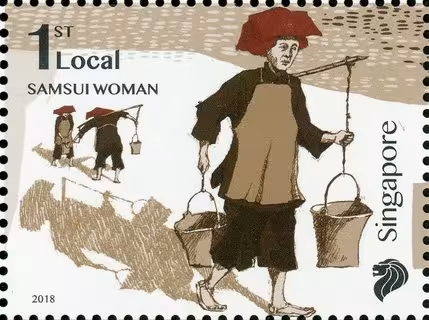
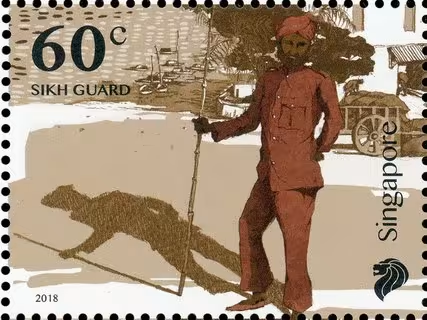
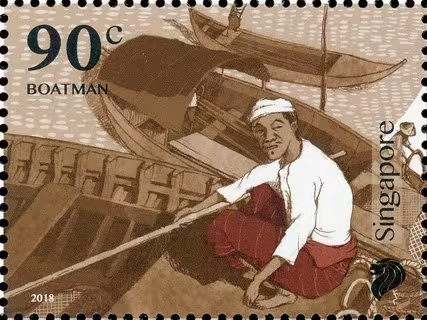
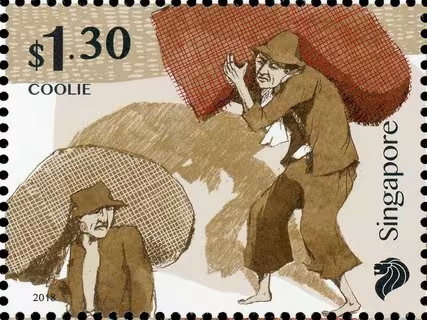
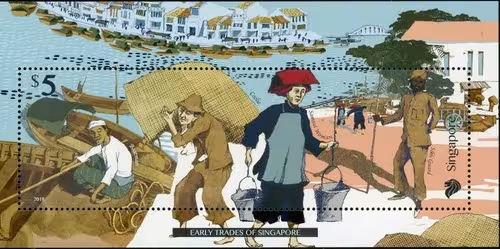
The Early Trades of Singapore stamp issue is released to preserve the memories of the early trades in Singapore. Beautifully depicted in this stamp issue are four early trades – Samsui Woman, Sikh Guard, Boatman and Coolie.
Hailed from the Guangdong county of Sanshui in China, Samsui Women were employed to work in labour-intensive sectors such as building and construction. They were characterised by their distinctive red headscarves or hong toujin which marked their membership in a sisterhood sworn to singlehood as well as their commitment to maintain their independence through labour.
From the second half of the 19th century, Sikhs from Punjab, India were recruited by the colonial authorities to serve as policemen and security personnel in the Straits Settlements, to augment local recruits and expand the police forces. Sikhs were regarded as loyal and honest.
The Orang Laut, or Boatmen, collectively refers to tribes of nomadic "sea people" who traversed the Malay Archipelago. These sea tribes lived on houseboats and sought out a livelihood through fishing, simple trade and seamanship.
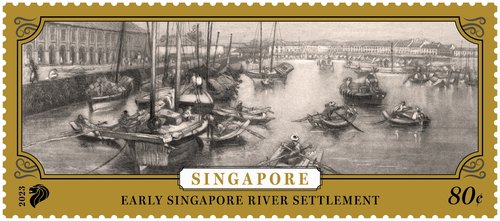
Coolies were unskilled manual labourers who formed the backbone of Singapore's earliest labour force. They were employed in almost every type of work during the colonial era, including construction, agriculture, shipping and transport. Old photographs of the Singapore River often show coolies carrying gurney sacks to and from vessels docked at the river.