Overview
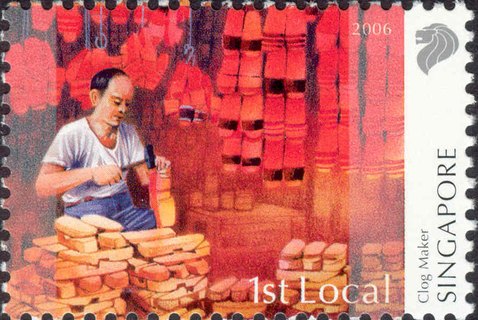
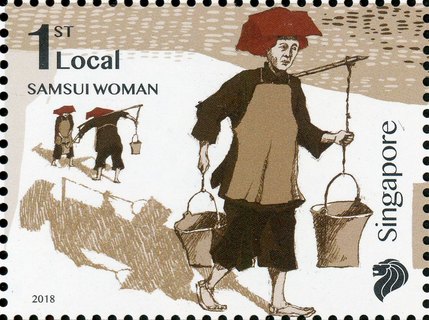
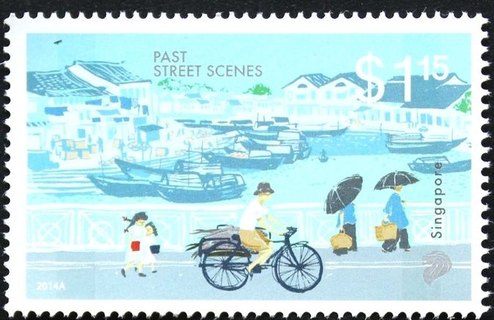
Vanishing trades form part of our nation's rich cultural heritage and bear testimonies to the growing and building of yesteryear Singapore. Early immigrants who came to Singapore started small businesses, with many of them as peddlers at the streets and along the five-foot-ways of the shophouses.
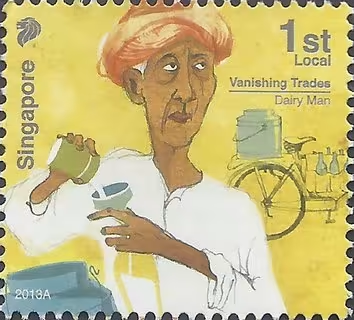
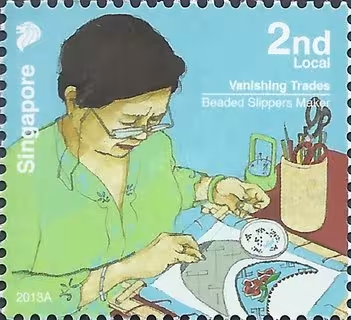
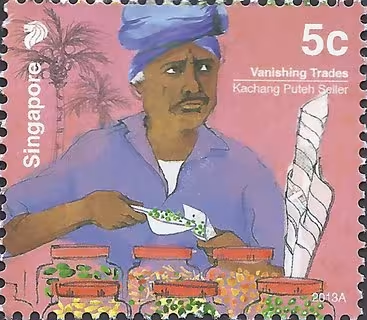
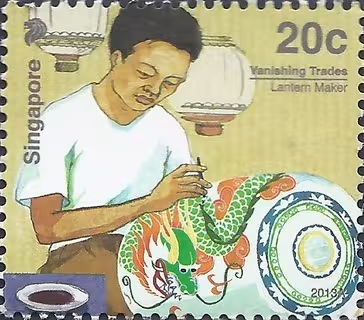
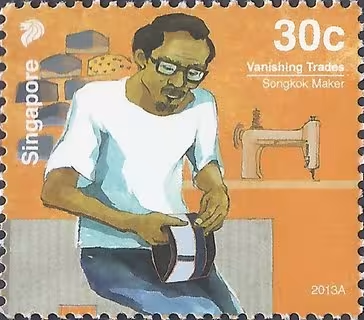
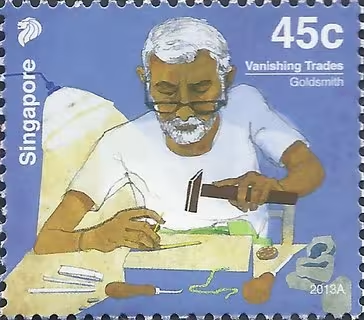
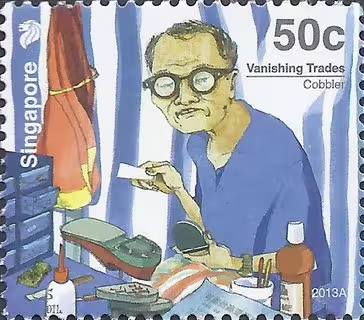
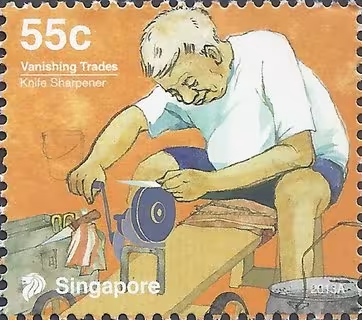
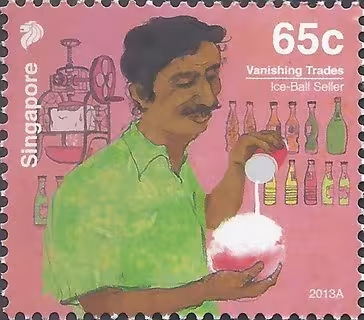
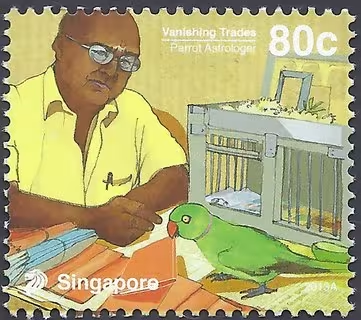
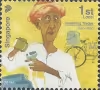
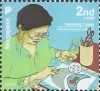
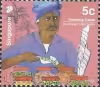
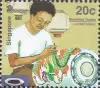
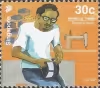
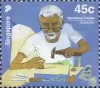
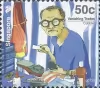
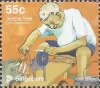
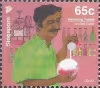
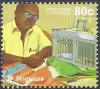
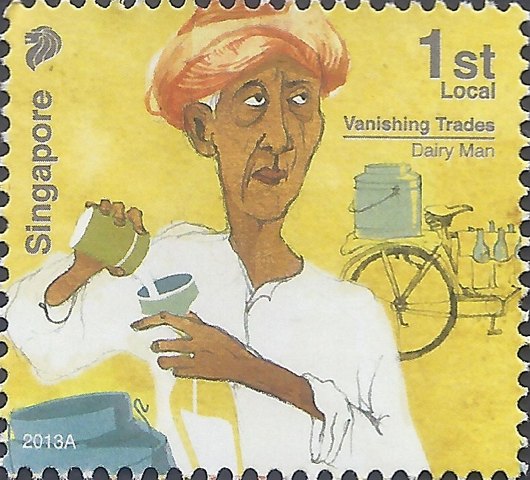
This stamp issue takes you down the memory lane to appreciate the common sights of vanishing trades during the early days of Singapore. Vanishing trades depicted in the stamps are namely the Dairy Man (1st Local), Beaded Slippers Maker (2nd Local), Kachang Puteh Man (5c), Lantern Maker (20c), Songkok Maker (30c), Goldsmith (45c), Cobbler (50c), Knife Sharpener (55c), Ice-ball Seller (65c), and Parrot Astrologer (80c).
Beaded slippers makers were traditionally Peranakan women who had to learn bead work prior to marriage as part of a Peranakan custom. Cobblers offer shoe-repair services such as the replacement of worn out soles and heels as well as the polishing of shoes.
There were the early street hawkers such as the kachang puteh sellers, they were roving vendors who plied their goods which were usually displayed on a rack or tray. Ice-ball sellers were primarily Indian vendors who sold drinks and ice-balls at the same time. And of course, there were the dairy men, who would bring along their goats or cows and travel on foot from house to house offering truly fresh milk.
Goldsmiths arrived in Singapore from Sri Lanka in the late 19th century and from South India and Gujarat in the mid-20th century. Whereas knife sharpeners were predominantly Cantonese Chinese or Malay, and many of them could be found along five-foot-ways.
Who could forget the songkok makers, they were predominantly from Sumatra or of Sumatran descent. Songkok is a traditional Malay head gear worn by men when attending prayers at the mosque, religious events and during festivities.
Lantern makers were predominantly Chinese, a popular trade and an ancient skill during the early days of Singapore. And lastly, there were the parrot astrologers, who arrived in Singapore during the late 19th century from India. They often used parakeets to pick up tarot cards so that they could interpret the cards to foretell a person's future.