Singapore POST

Singapore-Mongolia Joint Stamp Issue

Issue date 25 Nov 2020

Overview

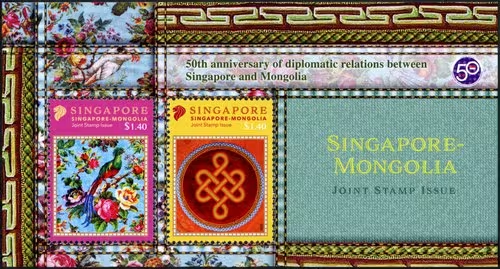
This year marks the 50th anniversary of diplomatic relations between Singapore and Mongolia, a significant milestone that both countries have built. Over the years, Singapore and Mongolia enjoy a warm relationship with good collaborations. To commemorate and celebrate the close diplomatic relations of both countries, Singapore Post and Mongol Post jointly release this joint stamp issue featuring exquisite and iconic artworks of both countries.

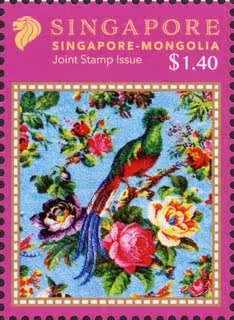
Artwork from Singapore

Table cover
Malay Peninsula, Penang, around 1920

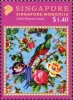
Cotton needlepoint canvas worked with European glass seed beads in "petit-point" stitch; fringe of netted or plaited glass seed beads, 126 x 118 cm

Peranakan Museum. Restoration sponsored by BNP Paribus Foundation and BNP Paribus Singapore Branch [2006-01927]

This beaded cover was used to decorate a table known as the choon tok, in the wedding chamber, where a Peranakan bride and groom partake in their first meal together. Prized silver and porcelain wares would be arrayed on the table.

The cover is made up of over a million small glass beads, some faceted. A variety of birds, insects, and flowers native to Asia, Europe, and South America are set against a turquoise ground, a popular shade in Peranakan needlework from Penang. Roses are also common because of their resemblance to peonies, a traditional symbol of wealth, honour, and love.

Artwork from Mongolia

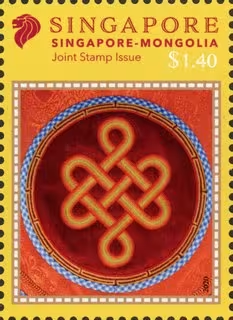
Cup bag

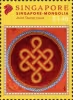
Cup bags and "huurug"- snuff bottle bags are made with high-quality silk, brocade material embellished with magnificent traditional patterns embroidered with warp ikat, bullion stitch, and thread knitting techniques.

From ancient days Mongol nomads had a tradition to carry their own cup and cutlery with them. Cup and cup bags represented the social status and affluence of the owner. Cup bag embroidery designs have flourished and evolved into a luxury culture over time.

The "Ulzii" is the most symbolic pattern that Mongolians have used for centuries. There are myths that the pattern was inspired by Mongolian horse culture. "Ulzii" symbolizes "Peace and Happiness". It is believed to bring vast knowledge, bliss, happiness, prosperity, long life, grace, aptitude and peacefulness to the owner.

Embroiderer: Zad TSENGELSAIKHAN
Singapore-Mongolia Joint Stamp Issue
Technical specifications
Denomination$1.40 x 2 designs
Stamp Size29.85mm x 40.8mm
Miniature Sheet Size140mm x 75mm
Perforation13.0
Paperunwatermarked
PrintingOffset Lithography
Sheet Content10 stamps per sheet
PrinterSecura Singapore Pte Ltd
Graphic DesignerIvory Seah
Singapore POST
Singapore POST
Singapore POST

Singapore-Mongolia Joint Stamp Issue

Issue date 25 Nov 2020

This year marks the 50th anniversary of diplomatic relations between Singapore and Mongolia, a significant milestone that both countries have built. Over the years, Singapore and Mongolia enjoy a warm relationship with good collaborations. To commemorate and celebrate the close diplomatic relations of both countries, Singapore Post and Mongol Post jointly release this joint stamp issue featuring exquisite and iconic artworks of both countries.

Artwork from Singapore

Table cover
Malay Peninsula, Penang, around 1920

Cotton needlepoint canvas worked with European glass seed beads in "petit-point" stitch; fringe of netted or plaited glass seed beads, 126 x 118 cm

Peranakan Museum. Restoration sponsored by BNP Paribus Foundation and BNP Paribus Singapore Branch [2006-01927]

This beaded cover was used to decorate a table known as the choon tok, in the wedding chamber, where a Peranakan bride and groom partake in their first meal together. Prized silver and porcelain wares would be arrayed on the table.

The cover is made up of over a million small glass beads, some faceted. A variety of birds, insects, and flowers native to Asia, Europe, and South America are set against a turquoise ground, a popular shade in Peranakan needlework from Penang. Roses are also common because of their resemblance to peonies, a traditional symbol of wealth, honour, and love.

Artwork from Mongolia

Cup bag

Cup bags and "huurug"- snuff bottle bags are made with high-quality silk, brocade material embellished with magnificent traditional patterns embroidered with warp ikat, bullion stitch, and thread knitting techniques.

From ancient days Mongol nomads had a tradition to carry their own cup and cutlery with them. Cup and cup bags represented the social status and affluence of the owner. Cup bag embroidery designs have flourished and evolved into a luxury culture over time.

The "Ulzii" is the most symbolic pattern that Mongolians have used for centuries. There are myths that the pattern was inspired by Mongolian horse culture. "Ulzii" symbolizes "Peace and Happiness". It is believed to bring vast knowledge, bliss, happiness, prosperity, long life, grace, aptitude and peacefulness to the owner.

Embroiderer: Zad TSENGELSAIKHAN
Denomination

$1.40 x 2 designs

Stamp Size

29.85mm x 40.8mm

Miniature Sheet Size

140mm x 75mm

Perforation

13.0

Paper

unwatermarked

Printing

Offset Lithography

Sheet Content

10 stamps per sheet

Printer

Secura Singapore Pte Ltd

Graphic Designer

Ivory Seah

Singapore-Mongolia Joint Stamp Issue

Issue date 25 Nov 2020

Singapore-Mongolia Joint Stamp IssueSingapore-Mongolia Joint Stamp IssueSingapore-Mongolia Joint Stamp Issue

Overview

This year marks the 50th anniversary of diplomatic relations between Singapore and Mongolia, a significant milestone that both countries have built. Over the years, Singapore and Mongolia enjoy a warm relationship with good collaborations. To commemorate and celebrate the close diplomatic relations of both countries, Singapore Post and Mongol Post jointly release this joint stamp issue featuring exquisite and iconic artworks of both countries.

Artwork from Singapore

Table cover
Malay Peninsula, Penang, around 1920

Cotton needlepoint canvas worked with European glass seed beads in "petit-point" stitch; fringe of netted or plaited glass seed beads, 126 x 118 cm

Peranakan Museum. Restoration sponsored by BNP Paribus Foundation and BNP Paribus Singapore Branch [2006-01927]

This beaded cover was used to decorate a table known as the choon tok, in the wedding chamber, where a Peranakan bride and groom partake in their first meal together. Prized silver and porcelain wares would be arrayed on the table.

The cover is made up of over a million small glass beads, some faceted. A variety of birds, insects, and flowers native to Asia, Europe, and South America are set against a turquoise ground, a popular shade in Peranakan needlework from Penang. Roses are also common because of their resemblance to peonies, a traditional symbol of wealth, honour, and love.

Artwork from Mongolia

Cup bag

Cup bags and "huurug"- snuff bottle bags are made with high-quality silk, brocade material embellished with magnificent traditional patterns embroidered with warp ikat, bullion stitch, and thread knitting techniques.

From ancient days Mongol nomads had a tradition to carry their own cup and cutlery with them. Cup and cup bags represented the social status and affluence of the owner. Cup bag embroidery designs have flourished and evolved into a luxury culture over time.

The "Ulzii" is the most symbolic pattern that Mongolians have used for centuries. There are myths that the pattern was inspired by Mongolian horse culture. "Ulzii" symbolizes "Peace and Happiness". It is believed to bring vast knowledge, bliss, happiness, prosperity, long life, grace, aptitude and peacefulness to the owner.

Embroiderer: Zad TSENGELSAIKHAN
Technical specifications

Denomination$1.40 x 2 designs
Stamp Size29.85mm x 40.8mm
Miniature Sheet Size140mm x 75mm
Perforation13.0
Paperunwatermarked
PrintingOffset Lithography
Sheet Content10 stamps per sheet
PrinterSecura Singapore Pte Ltd
Graphic DesignerIvory Seah
Subscribe to newsletter

Stay updated

Subscribe to our newsletter for the latest stamp releases, behind-the-scenes features, and exclusive stories from the vibrant world of philately.